
PRP
Platelet Rich Plasma (PRP) therapy has, and continues to gain in popularity. People appreciate completely natural treatments that can effectively and quickly rejuvenate skin. PRP harnesses the regenerative properties of the patient's own blood to improve the tone and texture without the need for invasive procedures or the use of synthetic substances. The mechanism used by PRP to achieve this outcome is the promotion of collagen production. In addition to improving your skin’s texture and tone, it’s also effective in addressing other various cosmetic concerns such as hair loss and scars.
While the use of PRP treatments in the field of aesthetics is relatively new (a decade old), it’s been employed in medicine particularly in the orthopaedics field for approximately forty years.
The mechanism and process are both simple.
Isolate and concentrate the blood components used in tissue repair (platelet rich plasma).
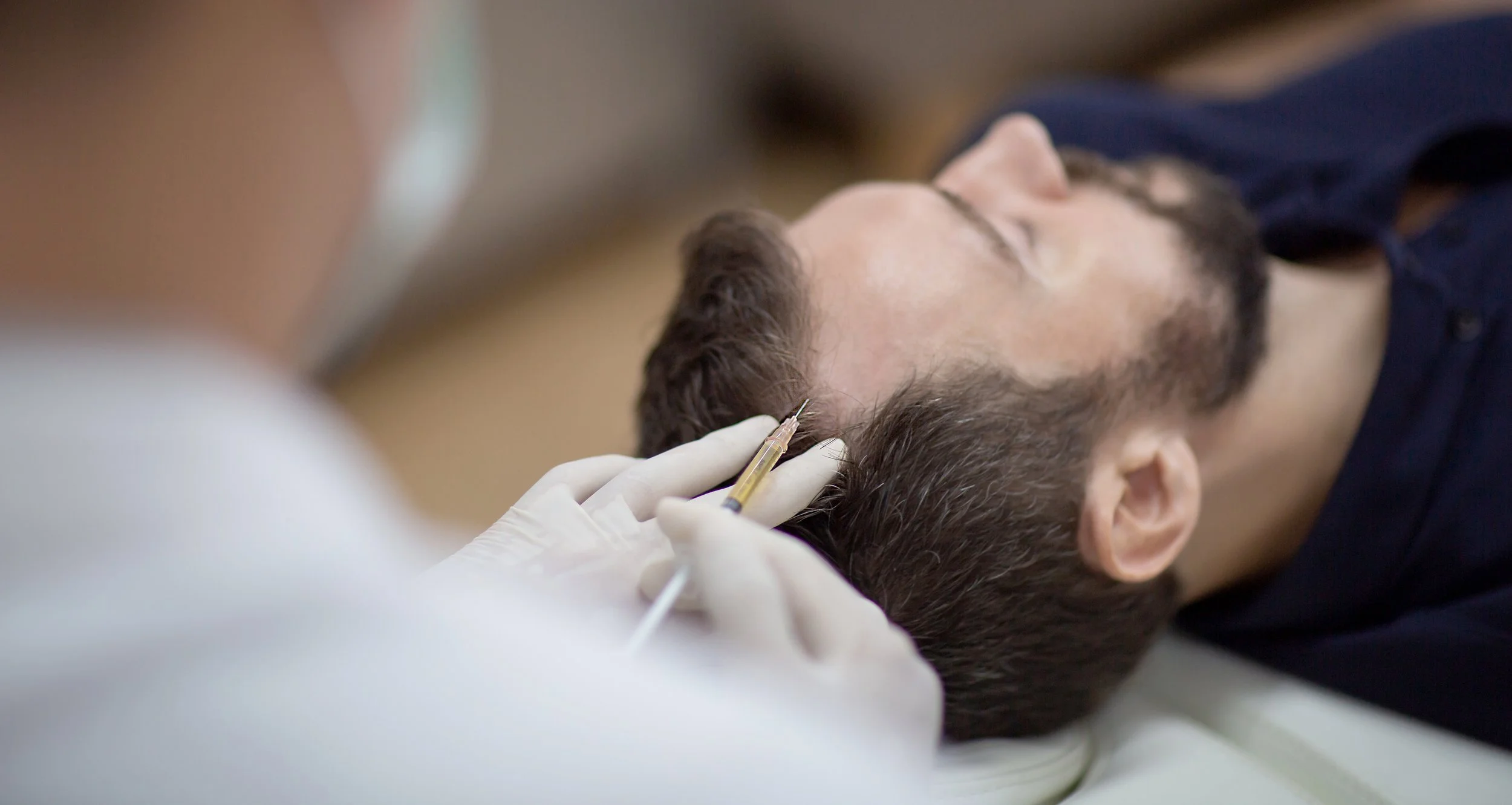
Inject the PRP concentrate directly at the sites requiring rejuvenation.
The platelets release ‘growth / repair factors’ which attract and stimulate stem cells to repair and produce new, healthy tissue.
The result from the treatment is improvement in surrounding tissue and skin texture and tone.
The “Vampire Facelift” and “PRP” terms are often used loosely or incorrectly to describe general beauty salon treatments and / or cosmetic ingredients. PRP described in this article is a medical procedure performed by a Registered Nurse or Dermal Clinician in a medical setting, following a full medical consultation and skin assessment. The procedure involves the extraction of your platelets/ plasma and injecting them back into your skin.
Benefits
-
PRP therapy can help stimulate collagen production and promote skin regeneration, which may result in smoother, firmer and more youthful looking skin.
-
By supporting the skin's natural healing process, PRP may strengthen, thicken and renew underlying tissues. That process can reduce the appearance of fine lines and wrinkles, leaving the skin more refreshed and rejuvenated.
-
PRP therapy has been shown to help improve the appearance of acne and surgical scars. It may promote the replacement of scar tissue with healthier normal tissue.
-
PRP can be used to stimulate hair follicles and promote hair regrowth in individuals experiencing hair loss or thinning. It may help increase both the hair quantity and thickness.
-
Given PRP therapy uses the patient's own blood components, it is a completely natural treatment option with minimal risk of adverse effects or allergic reactions.
FAQs
-
The number of PRP sessions required will vary depending on the individual's skin condition and desired outcomes. Typically, patients will undertake three to six treatments over the course of three to six months. It’s not uncommon for patients to incorporate PRP into their ongoing skin maintenance plan with regular treatments every 3 to 6 months.
-
Our PRP treatment protocol includes a strong local anaesthesia to numb the treatment area. With numbing cream, most patients tolerate the procedure well and experience only mild to medium discomfort. We wouldn’t recommend undertaking PRP treatments without appropriate topical numbing cream. Of all cosmetic procedures we perform, PRP is among the most uncomfortable. The extra time needed to have your skin thoroughly numbed prior to treatment is definitely worth it.
-
While some patients may notice improvements in their skin soon after treatment (1-2 weeks), optimal results typically become more apparent at the second or third month, after treatment. The skin's natural healing and regeneration processes need time to take place. The full benefits from a treatment are generally visible twelve weeks post treatment.
-
PRP is suitable for most age groups who are seeking gradual but noticeable improvement in skin texture, tone and colour. PRP is a good “general” “all round” treatment which is particularly useful and effective in treating:
a. Prematurely aged skin due to sun damage;
b. Improve skin texture in the cheek, mid face, back of hands and décolletage areas;
c. Improving and or reducing the appearance of surgical and acne scars;
d. Treatment of periorbital lines e.g. fine lines aka crow’s feet;
e. Improvement of the jaw line including reducing the appearance of fine lines around the mouth; and
f. Treatment of mild sagging of the neck and or face. -
The plasma used is obtained directly from your own blood and concentrated by centrifuge. As your own blood is used and nothing is added, there is minimal risk of disease transmission or allergic reaction and little downtime. Possible side effects of the treatment can be some mild swelling and irritation and / or the appearance of some localised bruising or spotting at the injecting sites and some discomfort during the procedure.
-
Consultation
The first step is a face to face consultation where we review and assess your medical history and perform a physical examination. We need to ensure;
a) You are a suitable candidate and will benefit from the treatment.
b) Check that you don’t have a pre-existing medical condition, (contraindications), which may preclude you from treatment.Note, contraindications are predominately blood related disorders and autoimmune diseases including systemic lupus erythematosus, porphyria, allergies, cancer, chemotherapy, severe metabolic disorders, anaemia and systemic disorders, and abnormal platelet function (i.e. blood disorders) or underlying sepsis.
Treatment
Anaesthetic. Depending on your pain tolerance / preferences, the first treatment step is the application of topical anaesthetic. Some patients opt for no numbing of the skin. If you are having anaesthetic skin numbing you will need to arrive 30 mins prior to your appointment.
Pre-treatment check. On arrival you’re checked to ensure there are no significant changes to your medical history that would prohibit your treatment proceeding.
Blood Extraction. A small vial of your blood is collected, no different to providing blood at the pathology centre.
Centrifuge. Platelets are extracted and separated via centrifuge and occurs in the room while you wait.
Preparation of injecting sites. Treatment sites are checked, marked and sterilised.
Injecting / treatment. The predesignated sites are injected with the platelet rich plasma.Post treatment.
First hour. Immediately post treatment we apply soothing peptide rich serums and cooling hydrating mask and then sunscreen. Your skin will appear a little blotchy. Mineral based foundations are available for your use, however, if possible, our preference is that no makeup be reapplied for at least 24 hours.
Day one. You may have a little spotting and occasionally some patients experience a small amount of localised bruising. Your skin will have the appearance of slight sun burn. You may experience slight discomfort which can be managed with paracetamol.
Month two / three. Injected platelets have been at work increasing collagen and overall skin health for the last two / three months. Newly produced collagen plumps the skin and reverses some of the visible signs of ageing. For most patients, their skin will feel and appear firmer and have a healthier more vibrant glow. -
The cost is dependent on the size and number of areas to be treated. Call 0407 586 731 for a brief tele-consultation including a guide on costs.
-
For the best results we recommend between three (3) to four (4) treatments performed a month apart.
-
The treatment itself takes around 30 mins. Application of the numbing agent and time to allow it to work, is an additional 15 - 20 mins.
-
Patients can usually expect a noticeable difference in their skin from one week and can expect a difference in skin tone / texture for up to eighteen (18) to twenty-four (24) months. Obviously, the effect of your treatment on improving your skin will depend on your personal circumstances including, (but not limited to), your general health, how your body heals, lifestyle and habits e.g. smoking and alcohol, whether you use daily sunscreen and have a good skin care regime. These factors will determine the benefit you get and how long you get to enjoy that benefit.
Risks
Common Side Effects
Mild pain or discomfort at the injection site
Swelling or redness around the treated area
Bruising where the blood was drawn or where injections were given
Temporary tingling or numbness
Less Common Risks
Infection at the injection site (rare if proper sterile technique is used)
Allergic reaction (extremely rare, since PRP uses the patient’s own blood)
Itching or mild irritation at the treated site
Rare but Serious Risks
Injury to nerves or tissue if injection is not performed correctly
Blood clot formation (very rare)
Scar tissue formation (uncommon)
Other Considerations
Results may vary between individuals, and multiple sessions are often required
PRP does not replace a healthy lifestyle or medical treatments for underlying conditions